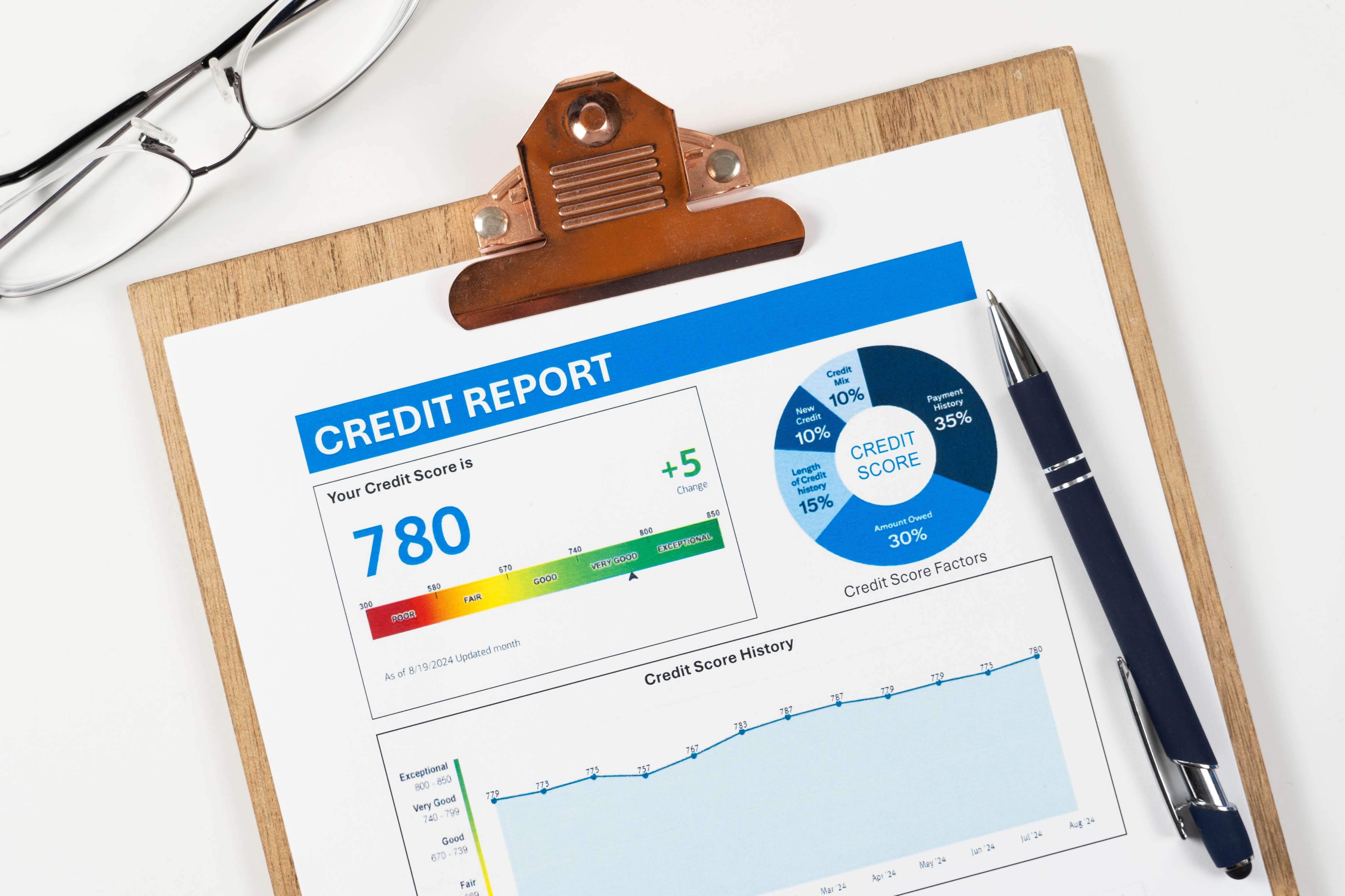

It is entirely possible for a business to look profitable on paper and still run out of money to pay its bills. This gap between profit and available cash is one of the most common reasons small businesses struggle, and understanding cash flow is the first step toward avoiding it. Cash flow simply refers to the timing of money moving in and out of the business, and managing that timing well is often more important than the total numbers themselves.
Profit measures revenue minus expenses over a period of time, but it does not account for when that money actually changes hands.
A business can show a healthy profit margin while still facing a very real cash shortage in any given month.
Several patterns tend to catch small business owners off guard, especially in the early years.
Managing cash flow well does not require complex forecasting software, especially for smaller operations. A rolling thirteen-week cash flow projection, updated weekly, gives most small businesses enough visibility to spot problems before they become emergencies.
Building comfort with these habits early pays off well beyond the first few years. Business owners who track cash flow closely make faster, more confident decisions about hiring, inventory, and growth, rather than being caught off guard by a bank balance that never quite matches what the books suggested it should.

The Return of Layaway-Style Payment Plans in Modern Retail Layaway, the practice of...
Read More
Why Buy Now, Pay Later Is Reshaping Everyday Shopping Habits Buy now, pay later (BNPL)...
Read More
Economic Trends Small Business Owners Should Watch Small business owners rarely have...
Read More
Bookkeeping Basics Every Small Business Owner Should Know Bookkeeping rarely tops the...
Read More